
Respire Homecare
Updated 2:08 PM CST, Mon November 2, 2026
Published Under: Home Health Pediatrics Respiratory
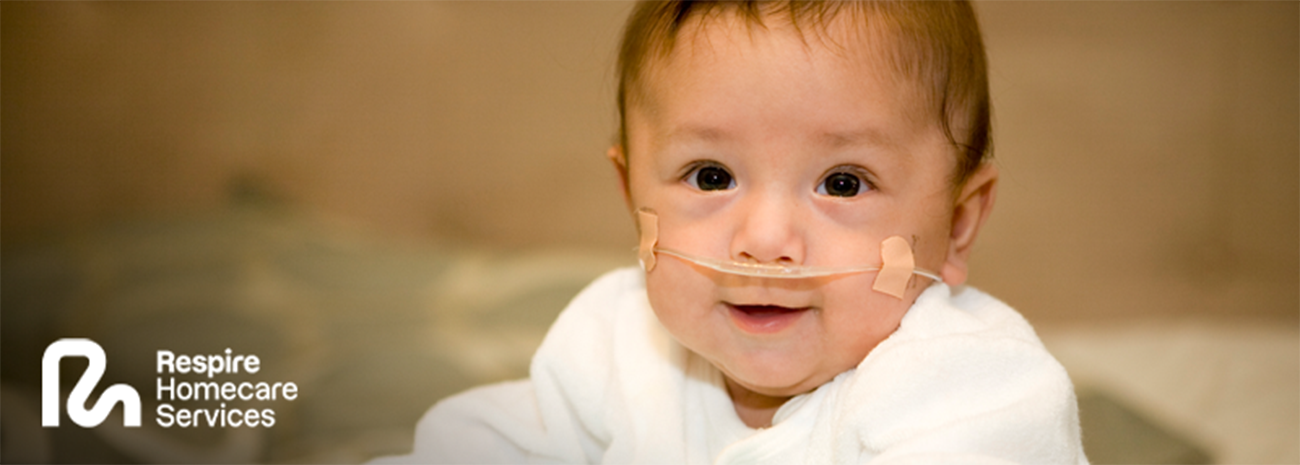
Parents preparing a home setup for a child with respiratory needs should start with their child's care plan, prescribed equipment, and daily routines. The goal is to create a space that's accessible, organized, and comfortable while following physician orders, equipment instructions, fire-safety guidance, and training from the respiratory care team.
A successful setup doesn't have to look like a hospital room. It should support safe care and fit naturally into family life.Quick Navigation
- Start with the care plan and equipment instructions
- Choose and organize the care space
- Plan for power outages and equipment problems
- Support comfort, air quality, and daily life
- Home respiratory setup checklist
- How Respire helps families prepare for care at home
- Frequently asked questions
Start with the Child's Care Plan and Equipment Instructions
The best home respiratory equipment setup begins with the instructions created specifically for your child. Your respiratory therapist can assist with suggestions regarding how and where to store supplies, equipment, and emergency preparation items, if applicable.
Families caring for children who use ventilators, tracheostomy equipment, oxygen, airway-clearance devices, or other respiratory technology often find that each device comes with unique considerations. That's why a pediatric ventilator home setup or tracheostomy home setup varies in each home.
Instead, it should reflect your child's prescribed needs, your home's configuration, and the guidance provided by your respiratory care team.
Choose and Organize a Practical Care Space
Respiratory equipment should be placed where caregivers can easily access it, monitor it, and use it according to manufacturer instructions. The right location depends on your child's care plan, available power sources, room configuration, and fire-safety requirements.
When preparing a home for a pediatric ventilator or other respiratory equipment, look at how the space functions during everyday life. Can caregivers move comfortably around the room? Is equipment accessible during routine care? Are pathways clear for family members, mobility devices, or emergency access?
Families can organize respiratory supplies by grouping similar items together, labeling storage areas, and separating everyday supplies from approved backup items. Clear bins, shelves, baskets, or drawers can all work well when they're easy to maintain. Keep clean supplies protected, frequently used items accessible, and reorder schedules organized without creating clutter.
As children grow and equipment changes, revisit the setup periodically. What works for an infant may not work for a school-age child, teenager, or child using additional equipment.
Plan for Power Outages and Equipment Problems
Families should consider power-outage planning as part of their overall emergency preparedness strategy. For children who rely on respiratory technology, backup planning should always follow the individualized care plan, equipment instructions, and training provided by clinicians and respiratory providers.
If your child uses a ventilator, oxygen equipment, or another essential device, learn how alarms work, understand any prescribed backup equipment or power resources, and know whom to contact when problems occur. Backup power needs vary based on the equipment being used, families should always follow the guidance provided for their specific devices.
Keep important phone numbers readily available, including clinical contacts, emergency contacts, and your respiratory equipment provider. Families who want additional preparedness guidance may find Respire's article on the Ventilator Emergency Go Bag Checklist helpful alongside their existing emergency plan.
Related Reading: Life After Pediatric Home Ventilation
Support Comfort, Air Quality, and Daily Life
A child's respiratory care space should support both medical needs and everyday childhood experiences. Families often ask how a room can remain comfortable and family-friendly while accommodating equipment. In most cases, thoughtful organization and respect for the care plan make both possible.
Keep the environment free from smoke and minimize exposure to strong fragrances or excessive dust. Avoid making changes to humidity management, filtration, or environmental controls unless recommended by your child's care team or equipment provider.
There is no universal temperature or humidity setting appropriate for every child or every respiratory device. Families seeking more information may benefit from learning about how indoor air conditions can affect breathing comfort.
Families don’t need to turn a bedroom into a clinical space. Favorite books, photos, artwork, blankets, toys, and age-appropriate personal touches can remain part of the space as long as they don't interfere with equipment access or safety requirements. Pediatric respiratory care at home should support your child's comfort, personality, and daily routines.
Home Respiratory Setup Checklist
- Review physician orders and equipment instructions.
- Confirm practical access to all respiratory equipment.
- Organize and label supplies.
- Separate daily-use and backup items.
- Keep important contact information accessible.
- Review emergency and backup planning.
- Maintain clear pathways around equipment.
- Consider indoor air quality and comfort factors.
- Complete all caregiver education and training.
- Bring unanswered questions to your respiratory provider.
How Respire Helps Families Prepare for Care at Home
The transition from hospital-to-home respiratory care involves more than equipment delivery. Families need education, confidence, and access to ongoing support.
Through our RespireKids+ Respiratory Program, we support medically complex infants, children, and adolescents who rely on prescribed respiratory technology. Our team provides equipment setup, caregiver training, maintenance support, troubleshooting assistance, and individualized guidance based on physician orders.
Families and referral partners can also learn more about our Clinical Respiratory Services, explore all respiratory care services, or contact our team to discuss service availability and support options.
Frequently Asked Questions
Who helps set up respiratory equipment before a child comes home?
Preparation often involves the hospital discharge team, prescribing clinicians, respiratory providers, and family caregivers. Before discharge, families typically receive equipment education, hands-on training, and guidance about maintenance, troubleshooting, emergency contacts, and daily operation based on the child's prescribed plan of care.
Does a child's bedroom need to look like a hospital room?
No. Most families can create a comfortable, personalized environment while still supporting safe respiratory care. Equipment must remain accessible and compliant with instructions, but favorite decorations, toys, and personal belongings can usually remain part of the child's living space.
How should families prepare for a power outage?
Follow the emergency plan and device-specific instructions provided by your care team and equipment provider. Understand prescribed backup resources, know important contact information, and review caregiver responsibilities before an emergency occurs rather than during one.
Where should backup respiratory supplies be stored?
Store backup items where trained caregivers can locate them easily while protecting them according to equipment and supply instructions. Clearly labeled storage areas and separation from daily-use supplies often make inventory management easier and reduce confusion during urgent situations.
Can Respire train more than one family caregiver?
In many situations, multiple caregivers participate in training so everyone involved understands the child's equipment, routine care, emergency procedures, and support resources. Ask our team about training options specific to your family's caregiving arrangements and prescribed equipment.
Comments