
Respire Homecare
Updated 1:34 PM CDT, Mon July 13, 2026
Published Under: Traveling Tips Ventilators
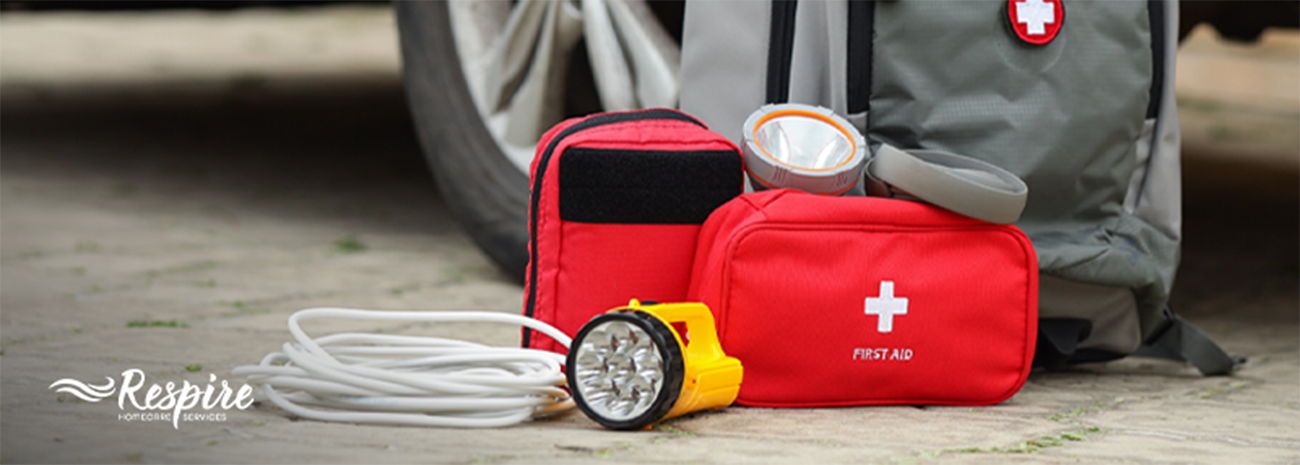
Leaving home on a ventilator changes how you think about preparation. It’s not just about getting from one place to another. You have to plan for delays, power issues, or equipment alerts that need attention right away.
An emergency go bag brings those pieces together. When everything is packed and in place, it’s easier to stay focused and keep care steady outside the home.Why Ventilator Users Need an Emergency Go Bag
An emergency go bag often becomes part of daily routine — not something reserved for rare situations.
Most families build one for travel or storms, but it ends up being just as useful for routine outings. A short appointment can run long. A quick stop turns into a few hours. Situations stretch in ways that are hard to predict.
At home, the setup is controlled. Equipment is organized the same way each day. Power sources are stable. Supplies are within reach. Once you leave that environment, even small disruptions can take more effort to manage.
A go bag helps close that gap.
It reduces the need to think through each step in real time. Instead of recalling what to bring or where something is stored, everything needed is packed and ready. For caregivers, that translates into fewer decisions under pressure. For patients, it helps keep care consistent, even when the setting changes.
Backup Power Planning for Home Ventilators
Power planning tends to shape everything else. Ventilators rely on continuous support. Most units include internal batteries, but those are designed to cover short periods like transitioning between locations, brief outages, or movement between power sources. They aren’t meant to carry extended use on their own.
That’s where backup planning comes in.
What to think through before leaving home
The right setup depends on how long you’ll be away and what environment you’re heading into. A short daytime trip looks very different from a weekend away or severe weather preparation.
Common considerations include:
- Internal battery status before leaving
- Charging access during travel, such as vehicle adapters
- A plan for longer outages or equipment failure
Even for short trips, it helps to assume something may run longer than intended. Pay attention to how long your system typically runs under normal conditions, this will help plan for your time away. Identify nearby places with reliable power if you need to relocate.
Reliable power planning includes both the equipment you carry and a clear understanding of your backup options.
Ventilator Alarms: What Caregivers Need to Recognize
Alarms are part of everyday ventilator use, but they can feel different outside the home.
At home, the sounds become familiar. You know what each alert means, and where to look first. In a new setting — a car, a waiting room, a hotel — that familiarity can drop off. Noise, distractions, and unfamiliar surroundings can make alarms easier to miss or harder to interpret.
That’s why preparation around alarms matters just as much as equipment.
Steps to take before leaving
- Check that alarm volume is set high enough for your environment
- Review common alerts with anyone who may be responsible for care
- Keep printed or digital instructions easily accessible
Keep troubleshooting supplies close
Most alarms require a quick adjustment, and that usually means having the right parts nearby.
Carry the items most likely to fix common issues:
- Replacement tubing
- Filters
- Connectors or adapters
What to Include in a Ventilator Emergency Go Bag
Packing a go bag isn’t about bringing everything you could possibly need for every situation imaginable. Instead, focus on the supplies you’ll actually use and store them in a way that’s easy to access.
Most bags work best when grouped by function rather than stored as a single collection of loose items.
Ventilator and airway supplies
This forms the core of the bag:
- Portable ventilator
- Backup ventilator or prescribed alternative, if required
- Ventilator filter, circuits, and adapters
- Humidification or HME components
- Exhalation ports/whisper swivels
- Portable suction equipment
Emergency airway kit
This section should be easy to locate and separate from the main supplies. In some bags, it’s stored in a labeled pouch.
- Manual resuscitation bag (Ambu bag)
- Both the mask and trach adapter
- Spare tracheostomy tubes in the appropriate size, plus one size smaller
- Lubricant and ties
- Syringes (if applicable)
- Gauze and saline
Monitoring and support equipment
These items help track changes and support day-to-day care:
- Pulse oximeter
- Portable oxygen, if prescribed
- Nebulizer or medication delivery device
Medications, documents, and essentials
This section tends to vary depending on the patient, but a few items are consistent:
- Medications for the full duration of the outing, plus extra
- Copies of ventilator settings and medical records
- Emergency contact list
- Insurance cards and identification
Everyday additions
Non-medical items still play an important role:
- Phone charger or power bank
- Flashlight
- Bottled water
- Hygiene supplies
- Weather-appropriate clothing
How to Maintain and Restock Your Ventilator Go Bag
Supplies get used. Batteries lose charge. Items shift over time. Without regular checks, gaps tend to show up at the worst moment. Treat the go bag as part of your regular routine so it stays ready to use.
Set a simple maintenance routine
- Check the bag on a schedule, such as monthly or before longer trips
- Replace anything that’s been used or removed
- Confirm that equipment still matches current settings and needs
Include everyone involved in care
If multiple caregivers are part of the routine, each one should know:
- Where items are stored in the bag
- What each section is used for
- What needs to be restocked after use
Storm and Outage Preparation for Ventilator-Dependent Patients
Weather introduces a different kind of planning; less about distance and more about time.
Power outages can last longer than expected, and restoring service may take priority in certain areas over others. For ventilator-dependent patients, that creates a different level of urgency.
Preparation for storms often builds on what’s already in the go bag but extends further.
Additional steps to consider
- Notify your utility provider about life-support equipment in the home
- Ask whether priority restoration programs are available
- Identify multiple backup locations, such as hospitals or community shelters
- Maintain a plan for charging batteries or running generators safely
Building a Go Bag That Fits Your Daily Routine
No two setups are exactly the same. Age, diagnosis, mobility, and caregiver support all influence what needs to be included and how the bag is organized. What works for a short outing may not be enough for an overnight trip or extended outage.
That’s why most go bags evolve over time. Adjustments happen after real use:
- A supply runs out sooner than expected
- A piece of equipment is harder to access than it should be
- A situation highlights something that wasn’t considered
Staying Prepared Outside the Home
Preparation makes it easier to leave home without adding unnecessary stress to the process.
A well-organized go bag supports steady care in different environments. It reduces the need to rebuild your setup for every outing and helps you respond more quickly when something changes.
If you’re unsure whether your current setup covers everything it should, the team at Respire Homecare Services can review your equipment and talk through your emergency planning approach.
Small adjustments can make a meaningful difference in how prepared you feel when you step outside the home.
Frequently Asked Questions (FAQs)
What should be included in a ventilator emergency go bag?
A ventilator emergency go bag should include all equipment needed to maintain airway support and device function outside the home. This typically includes a portable ventilator, filters and circuits, a manual resuscitation bag, suction supplies, spare tracheostomy components, and monitoring equipment. Medications, emergency contact information, and copies of ventilator settings should also be included. Non-medical items like a phone charger, flashlight, and water can help manage unexpected delays.
How long should backup power last for a home ventilator?
Backup power should be planned around the length of time you may be away from a reliable power source. Internal batteries are often limited and intended for short-term use, so external batteries or additional power sources are typically needed for longer outings or outages. It helps to understand how long your specific ventilator runs under normal settings and plan for extra time beyond that.
How often should a ventilator go bag be checked or restocked?
Go bags should be checked regularly, with many families using a monthly schedule or reviewing contents before longer trips. Supplies that have been used should be replaced right away. Batteries should be charged and equipment should be reviewed to make sure it matches current care needs. Regular checks help prevent gaps that may not be obvious day to day.
What should caregivers do if a ventilator alarm sounds outside the home?
Caregivers should respond to alarms based on their training, starting with checking the patient and the equipment setup. Having replacement supplies like tubing or connectors on hand makes it easier to address common issues. If the cause isn’t immediately clear or the patient shows signs of distress, follow the care plan for escalation, which may include contacting a clinical provider or emergency services.
How can families prepare for power outages when using a ventilator at home?
Preparation often includes identifying backup power options, keeping batteries charged, and planning where to go if power cannot be restored quickly. Many families also notify their utility provider about life-support equipment in the home and ask about priority restoration programs. Having a ready-to-go emergency bag makes it easier to transition if relocation becomes necessary.
Comments