
Respire Homecare
Updated 2:10 PM CST, Mon November 2, 2026
Published Under: Pediatrics Respiratory
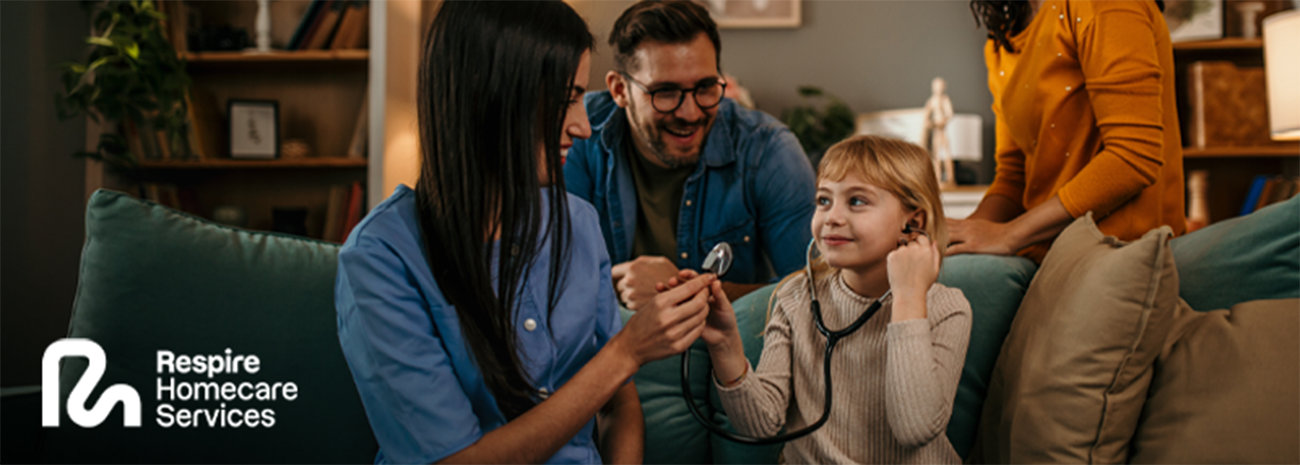
Bringing a child home with respiratory equipment can feel like stepping into a new routine overnight. A pediatric respiratory therapist helps families manage prescribed respiratory care at home through caregiver education, equipment training, troubleshooting support, and guidance that follows physician orders. While physicians direct treatment plans, respiratory therapists help families understand how to safely use and maintain the equipment their child relies on each day.
Quick Navigation
- What Does a Pediatric Respiratory Therapist Do?
- Support During the Transition from Hospital to Home
- Pediatric Respiratory Equipment Training for Caregivers
- Ongoing Respiratory Support and Care
- Helping Respiratory Care Fit into Daily Family Life
- Questions to Ask a Pediatric Home Respiratory Provider
- How RespireKids+ Supports Children and Their Families
- Frequently Asked Questions
What Does a Pediatric Respiratory Therapist Do?
A pediatric respiratory therapist specializes in supporting infants, children, and adolescents who have prescribed breathing-related needs. In a home setting, that support often includes oxygen therapy, ventilator care, tracheostomy support, airway-clearance therapies, and caregiver education.
Unlike a physician, a respiratory therapist does not diagnose conditions or independently change treatment plans. Instead, pediatric respiratory therapy focuses on helping families carry out physician-directed care safely and confidently at home.
For families adjusting to respiratory equipment, one of the most valuable benefits is having a knowledgeable professional who can explain equipment operation, answer questions, and reinforce training over time.
Support During the Transition from Hospital to Home
After discharge, families often need more than equipment delivery. They need a practical plan for how respiratory care will fit into everyday life.
A respiratory therapist supports the hospital-to-home respiratory care transition by helping coordinate equipment setup, reviewing physician orders, explaining daily care routines, and working alongside discharge planners and clinical teams when appropriate.
Common areas of support include:
- Respiratory equipment delivery and setup
- Review of prescribed therapies
- Caregiver orientation and education
- Supply planning
- Coordination with healthcare providers
This transition period is often when the largest learning curve occurs. Clear instruction and accessible support can help families establish routines that make home care more manageable.
Related Reading: Life on Home Ventilation: What Families Should Know
Hands-On Training That Builds Caregiver Confidence
Education is a core part of pediatric respiratory care at home. Respiratory therapists can train parents and caregivers to use ventilator and tracheostomy equipment when those therapies are prescribed.
While every child's needs differ, caregiver training commonly covers:
- Equipment operation
- Routine cleaning procedures
- Supply replacement schedules
- Basic troubleshooting
- Airway-clearance equipment use
- Pediatric ventilator care at home
- Pediatric tracheostomy support
- Emergency-preparedness planning
These technologies can seem intimidating at first, which is why repeated instruction and opportunities to ask questions are so important.
Our team's Clinical Respiratory Services help families better understand the respiratory equipment their child uses and how it fits into the physician-directed care plan.
Ongoing Respiratory Support as a Child's Needs Change
Pediatric respiratory support can continue at home for as long as it remains part of a child's prescribed care plan.
Some children require respiratory assistance for a limited period, while others need long-term support. As needs evolve, respiratory therapists may provide refresher education, equipment assessments, maintenance coordination, and communication with the broader care team.
Equipment settings and treatment changes remain subject to appropriate medical orders. Respiratory therapists help families implement prescribed care rather than independently altering treatment plans.
This ongoing relationship helps ensure caregivers continue receiving education and support as their child's needs change over time.
Helping Respiratory Care Fit into Daily Family Life
Families want respiratory care to support their child's life, not define it.
That often means finding practical ways to manage equipment during school, travel, outings, recreational activities, and family routines. Respiratory therapists can help caregivers think through logistical considerations such as organizing supplies, preparing backup equipment, and planning ahead for time away from home.
Respiratory therapists also help families prepare for equipment problems by reviewing troubleshooting procedures, discussing emergency-response plans, and explaining when to contact the respiratory provider, the child's physician, or emergency services.
Families navigating school attendance may find additional guidance in Respire's article on Returning to School with a Ventilator or Tracheostomy. Seasonal planning resources are also available in our article about Caring for Medically Complex Kids in Summer.
Questions to Ask a Pediatric Home Respiratory Provider
When evaluating an in-home pediatric respiratory care provider, consider asking:
- Do your respiratory therapists have pediatric-specific experience?
- What caregiver education is included?
- How is respiratory equipment maintenance handled?
- Is clinical support available outside regular business hours?
- What emergency-preparedness guidance is provided?
- How do you coordinate with physicians and hospitals?
- What insurance plans do you work with?
- Which communities and service areas do you support?
These questions can help families determine whether a provider's services align with their child's prescribed respiratory needs.
How RespireKids+ Supports Children and Their Families
Through the RespireKids+ Respiratory Program, we support medically complex infants, children, and adolescents who require specialized respiratory care at home.
Our respiratory therapists bring pediatric experience to caregiver education, respiratory equipment training, pediatric home ventilation support, tracheostomy education, equipment maintenance coordination, and ongoing collaboration with physicians and hospital teams.
Every child has unique needs, which is why services are guided by physician orders and individualized care plans.
Families who would like to learn more can explore our Respire service locations or contact our team to discuss service availability and their child's prescribed respiratory needs.
Frequently Asked Questions
Does a pediatric respiratory therapist come to the home?
In many situations, yes. Home visits may be part of prescribed pediatric respiratory care at home, depending on the child's needs, physician orders, eligibility requirements, and service availability. Your respiratory provider can explain what services are available in your area.
Can respiratory therapists help parents learn ventilator care?
Yes. Respiratory therapists commonly provide education regarding ventilator operation, routine maintenance, basic troubleshooting, and caregiver responsibilities. Training supports physician-directed care and should be followed alongside instructions from the child's broader healthcare team.
What is included in pediatric tracheostomy support?
Pediatric tracheostomy support may include caregiver education, equipment instruction, maintenance guidance, supply coordination, airway management education, and emergency-preparedness training. Specific services vary based on physician orders and each child's unique respiratory needs.
Who should families call when respiratory equipment is not working correctly?
Families should follow the guidance provided by their respiratory equipment provider. Equipment-related concerns are often directed to the respiratory provider, while medical questions belong with the child's physician. Emergencies require immediate contact with emergency services.
How can families find out whether Respire serves their area?
Families can review our online locations information or contact our team directly. We'll discuss service availability, respiratory support needs, and whether appropriate pediatric respiratory services are available within your community.
Comments