
Respire Homecare
Updated 8:24 AM CDT, Fri July 31, 2026
Published Under: Respiratory
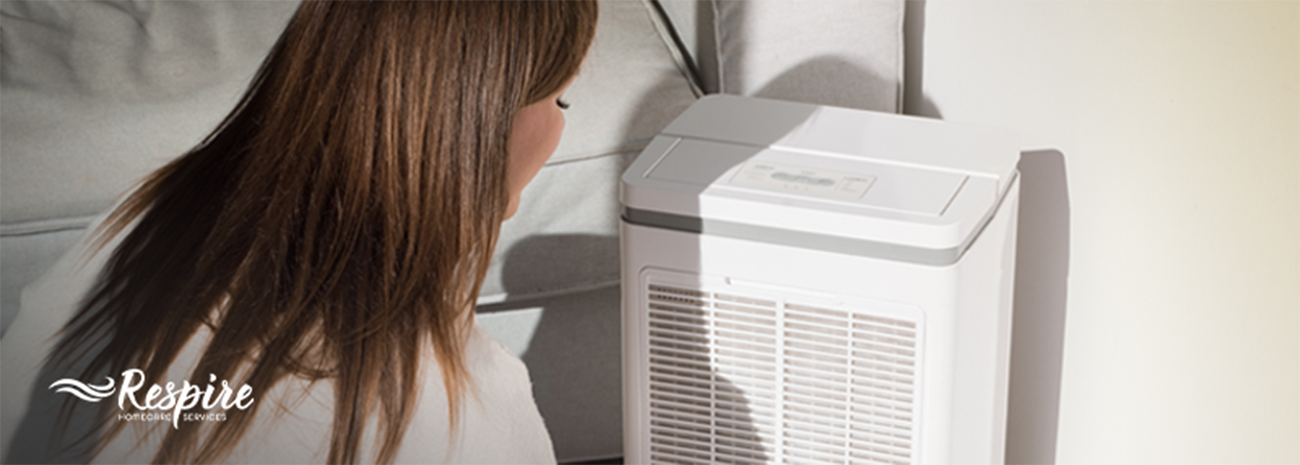
Breathing comfort at home can change more than many people realize as the seasons shift. Dry indoor air may leave your nose, throat, and airways feeling irritated, while summer humidity can make the air feel heavier and more difficult to tolerate for some people with chronic respiratory conditions.
For individuals using respiratory equipment, these changes can be even more noticeable. Dryness may affect secretions and equipment tolerance, while excess moisture can create indoor air quality concerns and make symptom management more challenging.
This guide explains how dry indoor air and breathing are connected, how summer humidity affects respiratory comfort, and what patients and caregivers can do to maintain a healthier home environment. We'll also cover when it may be time to reach out to your healthcare provider or respiratory care team.
In This Guide
- Why Indoor Air Moisture Matters
- How Dry Indoor Air Can Affect Breathing
- How Summer Humidity Can Affect Breathing
- What This Means for CPAP, Ventilator, and Tracheostomy Users
- Practical Ways to Improve Breathing Comfort at Home
- When to Contact Your Care Team
- FAQs About Humidity and Breathing
Why Air Moisture Matters for Breathing Comfort
Every breath you take passes through your upper airways that help warm, filter, and humidify incoming air before it reaches the lungs. This natural process helps protect delicate respiratory tissues and supports normal mucus function.
When indoor air becomes very dry or very humid, the airways may have to work harder to maintain that balance. For some people, especially those managing chronic respiratory conditions, these changes can affect overall breathing comfort at home.
Is Dry Indoor Air Bad for Breathing?
Yes. Dry indoor air can irritate the nose, throat, and airways. For some people, it may contribute to coughing, dryness, thicker secretions, nasal irritation, or discomfort while using respiratory equipment.
Dryness is often associated with winter heating systems, but it can also occur during summer when air conditioners run continuously. Some homes naturally maintain lower indoor humidity levels year-round.
Common dry air respiratory symptoms may include:
- Dry nose or throat
- Increased coughing
- Airway irritation
- Thicker mucus or secretions
- Morning dryness after CPAP, BiPAP, or non-invasive ventilator use
- Nasal congestion that seems related to dryness
- Mild nosebleeds in some individuals
People living with COPD, asthma, chronic respiratory failure, or neuromuscular respiratory conditions may notice these symptoms more than others.
For patients who depend on respiratory equipment, dry air can sometimes affect comfort during sleep, airway clearance routines, or everyday respiratory care. Following physician-directed humidification recommendations may help address certain comfort concerns.
How Summer Humidity Can Make Breathing Feel Harder
Summer humidity can make breathing feel more difficult for some people because moist air may feel heavier, increase discomfort during physical activity, and affect how the airways respond to heat and moisture.
Many people describe humid air as feeling "thick" or harder to move. While humidity itself does not affect everyone the same way, some individuals with COPD, asthma, chronic lung disease, or chronic respiratory failure report increased breathing discomfort during hot, humid weather.
The relationship between summer humidity and breathing is often different from person to person. Some people tolerate humidity reasonably well, while others find it worsens symptoms.
Humid conditions may contribute to:
- A sensation of heavier breathing
- Increased fatigue during activity
- More noticeable shortness of breath
- Increased coughing for some individuals
- Greater discomfort during heat waves
Humidity can also affect respiratory health in another way: excess indoor moisture may encourage mold growth, mildew, and dust mite activity. These environmental factors can aggravate respiratory symptoms in some households.
Families caring for medically complex children or adults should pay attention to changes in breathing patterns, sleep quality, secretion management, and overall tolerance of daily respiratory routines during periods of high humidity.
Indoor Humidity and Respiratory Comfort: Finding the Right Balance
Many patients and caregivers ask about the ideal indoor humidity for breathing.
The reality is that there is no single perfect number for everyone. Respiratory needs, home environments, seasons, and physician-directed care plans can all influence what feels most comfortable.
Many indoor air quality and respiratory resources commonly recommend maintaining indoor humidity between 30% and 50%, while avoiding prolonged periods of excessive dryness or excessive moisture.
Rather than chasing a specific number, focus on identifying signs that indoor conditions may be affecting comfort. A simple hygrometer can help monitor humidity levels. You may also notice clues around the home, including:
- Condensation on windows
- Musty odors
- Visible mold growth
- Persistently dry nasal passages
- Static electricity
- Cracked or unusually dry indoor air conditions
What Humidity Means for CPAP, BiPAP, Ventilator, and Tracheostomy Users
Humidity can play an important role in how comfortable respiratory equipment feels during daily use.
For some people, dry air concerns may include nasal dryness, throat irritation, or discomfort during sleep. Many CPAP and BiPAP users have access to humidification features that may help improve tolerance when used according to provider guidance.
Patients receiving CPAP and BiPAP support often benefit from discussing persistent dryness or moisture concerns with their respiratory provider rather than making major equipment changes on their own.
Dry air may also affect secretion management. Some individuals report thicker secretions or increased airway irritation when humidity is very low. For tracheostomy and ventilator users, humidification requirements are often more individualized.
How Does Humidity Affect CPAP, Tracheostomy, or Ventilator Comfort?
Dry air may contribute to irritation, dryness, or thicker secretions, while excessive humidity can create discomfort and equipment-management challenges. Humidification plans should always follow physician and respiratory therapist recommendations.
Patients receiving in-home ventilator services should follow their prescribed ventilator humidity support guidance and contact their care team with any concerns.
Families managing tracheostomy care should likewise follow care-plan instructions regarding tracheostomy humidification and secretion management.
Avoid adjusting equipment settings outside of provider recommendations. If comfort changes occur, discuss them with your respiratory therapist or physician.
Practical Ways to Support Breathing Comfort at Home
Many household factors affect humidity and respiratory health. Small adjustments may help reduce irritation and improve day-to-day comfort.
Consider these practical strategies:
- Monitor indoor humidity using a hygrometer.
- Use air conditioning or dehumidification when humidity levels become excessive.
- Address leaks, condensation, water stains, or musty odors promptly.
- Keep respiratory equipment clean according to manufacturer instructions and your care team's guidance.
- Replace filters as recommended for your equipment and home systems.
- Limit exposure to smoke, vaping aerosols, strong fragrances, aerosol sprays, and harsh cleaning fumes.
- Reduce dust accumulation through routine cleaning.
- Continue prescribed respiratory therapy routines.
- Follow your physician-directed care plan and humidification recommendations.
When to Call Your Respiratory Care Team
Changes in air quality, humidity, or seasonal conditions do not always explain new respiratory symptoms. Contact your provider if you notice new symptoms, worsening symptoms, changes in secretions, equipment-related concerns, or breathing difficulties that do not improve with your usual care routine.
Examples may include:
- New or worsening shortness of breath
- Increased coughing
- Thicker secretions
- Discolored secretions
- Increased suctioning needs
- Difficulty tolerating CPAP, BiPAP, ventilator, or tracheostomy equipment
- Frequent equipment alarms
- Changes in oxygen requirements
- Reduced sleep quality related to respiratory symptoms
- Symptoms that continue despite routine care
How Respire Homecare Helps Families Manage Respiratory Comfort at Home
Managing complex respiratory needs involves more than equipment delivery. Environmental changes, seasonal conditions, daily routines, and caregiver questions all play a role.
At Respire Homecare, we support patients and families through a wide range of respiratory services, including:
- Clinical respiratory services
- CPAP and BiPAP support
- In-home ventilator services
- Tracheostomy care
- Airway clearance
- Caregiver education and training
- Equipment setup and troubleshooting
If concerns arise, we encourage you to contact our team or find one of our available locations for additional support.
Breathing Comfort Starts with Noticing Changes Early
Seasonal changes affect every home differently. Some families notice dry air from heating or air conditioning, while others experience challenges related to summer humidity.
Paying attention to changes in breathing patterns, secretion management, sleep quality, equipment tolerance, or overall respiratory well-being can help you respond early when something feels different.
Most changes in indoor air conditions can be managed with simple adjustments and ongoing communication with your healthcare team. When questions arise, don't hesitate to reach out to your physician, respiratory therapist, or Respire Homecare team for guidance that matches your individual care plan.
FAQs About Humidity and Breathing
Can dry indoor air make breathing worse?
For some people, yes. Dry air may contribute to airway irritation, coughing, dryness, thicker secretions, and discomfort while using respiratory equipment.
Is humidity bad for COPD or asthma?
Humidity affects people differently. Some individuals with COPD or asthma find that humid conditions make breathing feel more difficult or worsen symptom awareness. Others may tolerate humidity without significant issues.
What indoor humidity level is best for breathing?
Many respiratory and indoor air quality resources commonly recommend maintaining indoor humidity between 30% and 50%, while avoiding extremes. Individual needs may vary.
Can dry air affect CPAP comfort?
Yes. Dry air may contribute to nasal dryness, throat irritation, congestion, or discomfort during CPAP use. Patients should discuss persistent issues with their respiratory provider.
When should I call Respire Homecare about breathing equipment comfort?
Contact your care team if you notice new discomfort, increased dryness, thicker secretions, frequent alarms, changes in oxygen needs, difficulty tolerating equipment, or symptoms that are not improving with routine care.
Comments