
Respire Homecare
Updated 1:32 PM CDT, Mon July 13, 2026
Published Under: RespireVent+ Ventilators
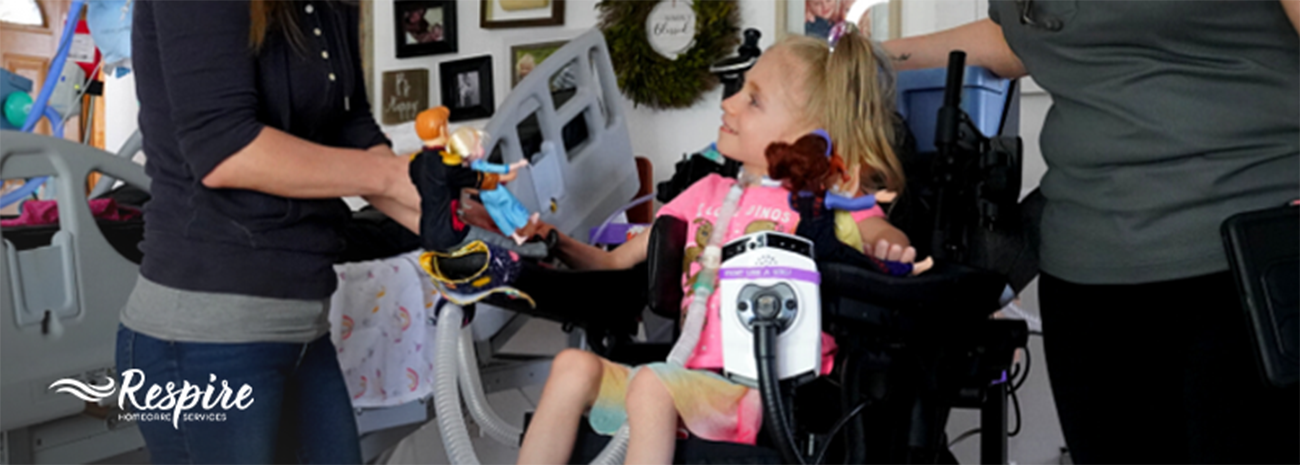
Bringing a loved one home on a ventilator doesn’t feel like a single moment, it feels like a shift. One day, care is handled by a clinical team. The next, you’re making decisions in real time, responding to equipment, and figuring out how everything fits into your home.
The adjustment is rarely immediate. It shows up in small ways first, like how long tasks take, how often you check the machine, or how easily you recognize what’s normal. Understanding what those early weeks actually look like can make the transition clearer and easier to manage, especially if you’ve already reviewed the basics of home ventilation services.The First Week at Home: Learning in Real Time
The first few days often feel slower than expected. Tasks take longer, and even familiar routines can feel different outside the hospital.
Most families notice a mix of practical and emotional adjustments:
- Routine care takes more time at home than it did during training
- You may check the ventilator more often than necessary
- Sleep can be interrupted while you get used to alarms
- Simple tasks like moving between rooms require more planning
What’s Different About Home Ventilation
At home, ventilation care becomes part of daily life rather than a separate process managed by clinicians.
The Environment Changes the Work
In a hospital, everything is designed for care. At home, you’re adapting your space to support it.
That might mean clearing space near a bed, reorganizing outlets, or deciding where supplies live. Some families centralize everything; others build smaller setups in the areas they use most.
A few adjustments tend to make things easier early on:
- Keep frequently used supplies in one dedicated location
- Separate everyday items from backup equipment
- Make sure power access is reliable and easy to reach
Monitoring Becomes More Intuitive
Without a full care team present, monitoring shifts to observation.
You notice patterns: how breathing sounds when your loved one is resting, when alerts are more likely to go off, or what level of activity is realistic. At first, those details can feel unclear. Eventually, they become more predictable.
That familiarity is what allows care to feel more manageable — and often connects back to guidance provided during ventilator training for caregivers.
The Role of Your Home Respiratory Team
Home ventilation isn’t something families are expected to manage independently.
Respire Homecare Services provides ongoing support that extends beyond setup, helping ensure equipment is used safely and adjustments are made as needed.
Early on, that support often includes:
- Equipment delivery, setup, and safety checks
- Reinforcement of caregiver training in the home environment
- Follow-up visits or calls to address questions
- Help troubleshooting alarms or equipment concerns
- Guidance as routines evolve
Building a Routine That Works
Routines don’t start off polished. They develop through repetition and small corrections.
Some parts fall into place quickly. Others take longer, especially anything tied to sleep or balancing care with other responsibilities.
Many families begin with a simple structure:
- Set consistent times for equipment checks
- Keep a visible checklist for daily care tasks
Safety Becomes Part of the Routine
Safety isn’t handled separately from care; it’s built into how care is delivered. Instead of running through a checklist, most caregivers develop habits tied to their movements and timing.
Some of the most important habits include:
- Checking tubing and connections during routine care
- Responding to alarms promptly, even when they seem minor
- Keeping emergency contact information visible
- Staying consistent with cleaning and maintenance
- Knowing when something requires outside help rather than troubleshooting
Adjusting as a Family
Home ventilation changes more than medical routines. It often reshapes how the household functions.
Responsibilities may shift. One person may take the lead on equipment, while others manage schedules or support tasks. Sleep patterns can change, especially early on, and daily plans may become more structured.
These adjustments don’t usually happen all at once. They evolve as everyone settles into new roles and expectations. Some families find it helpful to explore additional support options, including respite care for caregivers or extended home services.
Related: Supporting Mental Health While Managing Complex Medical Conditions
What Tends to Get Easier
The early phase can feel intense, but it doesn’t stay that way.
With time, many families find that:
- Alarms are easier to interpret and respond to
- Equipment checks take less time
- Daily care feels more predictable
Familiarity plays a bigger role than anything else. Once you know what’s typical for your loved one and your equipment, decisions become clearer. This often connects to long-term goals around living independently with home respiratory care.
When to Reach Out for Help
It’s common to hesitate before calling for support, especially early on. Most families don’t want to overreact.
In practice, it’s better to reach out sooner.
You should contact your provider if:
- An alarm continues after basic troubleshooting
- Something about breathing or comfort seems off
- Equipment isn’t working as expected
Moving Forward, One Step at a Time
The move from hospital to home isn’t a single transition, it’s a gradual adjustment.
At first, care requires constant attention. Over time, it becomes more familiar. Tasks take less effort. Decisions feel more straightforward. Daily life starts to find its rhythm again.
Respire Homecare Services supports that process from the beginning, helping families move from learning to confidence through consistent guidance and follow-up care. If you’re navigating this transition now and find yourself need help, reach out to our team today.
FAQs About Home Ventilation After Discharge
How long does it take to feel comfortable with home ventilation?
Most caregivers begin to feel more confident within a few weeks, though comfort levels vary depending on the patient’s needs and the level of support available.
What equipment will we have at home?
In addition to the ventilator, many patients use supplemental equipment depending on their care plan. Your clinical team will guide you through what’s required.
What should we do if something seems off?
If something feels unusual — even if you can’t explain why — it’s appropriate to contact your respiratory provider. Early communication helps prevent complications
Will we have ongoing support after discharge?
Yes. Home respiratory providers continue working with patients and families after discharge, offering education, troubleshooting, and follow-up care through in-home respiratory services.
Is it normal for caregivers to feel overwhelmed at first?
Yes. The transition involves both technical and emotional adjustments. Many families benefit from additional support resources like caregiver support and education.
Comments