
Respire Homecare
Updated 10:02 AM CDT, Wed October 14, 2026
Published Under: Pediatrics RespireVent+
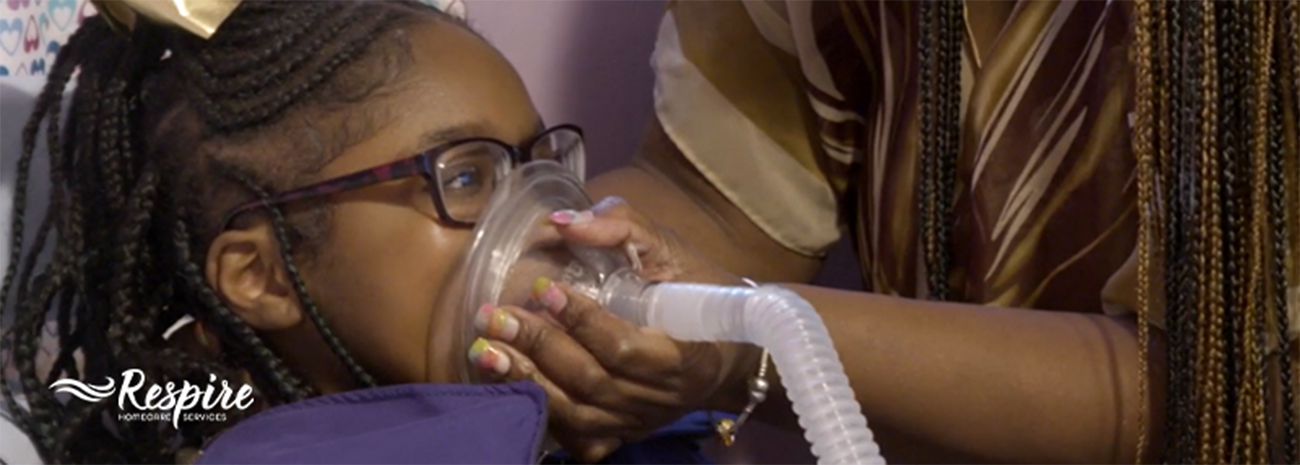
Using respiratory equipment at home can feel very different from practicing with it in a hospital. During training, clinicians are nearby to demonstrate each step and answer questions. At home, caregivers must fit those instructions into daily family life.
Few parents leave training feeling comfortable with every task. Confidence develops through hands-on practice, repetition, clear written instructions, and knowing when to contact the respiratory or clinical care team.
Managing a child’s respiratory equipment at home is a skill learned over time, not all at once.
Medical Disclaimer: This article provides general educational information and doesn’t replace your child’s discharge instructions, physician orders, emergency plan, or clinical care. Follow the instructions provided by your child’s hospital, prescribing provider, and respiratory care team. Call 911 or seek emergency medical care when directed by your child’s emergency plan or when your child appears to be in immediate danger.
Quick Navigation
- How Can Caregivers Build Confidence with Respiratory Equipment?
- Understanding Your Child’s Respiratory Equipment
- Learn Through Hands-On Practice and Teach-Back
- Turn Clinical Instructions into a Usable Home Routine
- Become Familiar with Equipment Alarms Without Becoming Complacent
- Know the Boundaries of At-Home Respiratory Equipment Troubleshooting
- Help Every Caregiver Follow the Same Routine
- Questions to Ask During Respiratory Equipment Training
- How RespireKids+ Supports Caregivers at Home
- Frequently Asked Questions
How Can Caregivers Build Confidence with Respiratory Equipment?
Caregivers can build confidence managing a child’s respiratory equipment through hands-on training, supervised practice, written routines, repeated use, and continued access to qualified support.
Confidence doesn’t mean handling every situation alone. It means understanding the child’s prescribed routine, recognizing when something falls outside that routine, and knowing where to turn for help.
A caregiver may build confidence by:
-
Watching a qualified professional demonstrate a task.
-
Practicing the task under supervision.
-
Demonstrating or explaining the task back to the trainer.
-
Using written instructions to support the routine at home.
-
Asking questions when something is unclear or changes.
Daily responsibilities may feel more familiar over time, but caregivers should continue following the child’s prescribed plan rather than relying only on memory or experience.
Understanding Your Child’s Respiratory Equipment
Children receiving pediatric respiratory care at home may use ventilators, tracheostomy supplies, suction equipment, oxygen systems, nebulizers, airway-clearance devices, CPAP, or BiPAP.
Understanding the purpose of each device can make the overall routine feel more manageable.
Instead of viewing the equipment as one large responsibility, caregivers can learn what each item does, when it’s used, and which instructions apply to it.
Parents of a child using a ventilator may receive detailed training related to ventilation, backup equipment, alarms, and power planning. Families managing a tracheostomy may focus more on tracheostomy care, suctioning, secretion management, and emergency readiness.
Caregivers of children using oxygen, CPAP, or BiPAP will receive instructions specific to those therapies.
The RespireKids+ Respiratory Program supports pediatric patients using ventilators, tracheostomy equipment, oxygen therapy, CPAP or BiPAP, nebulizers, cough-assist devices, and other airway-clearance therapies.
Instructions vary by child, device, physician orders, and care plan. Always follow the training and written guidance provided for your child’s prescribed equipment.
Learn Through Hands-On Practice and Teach-Back
Pediatric respiratory equipment training is most useful when caregivers have an opportunity to practice the skills they’ll perform at home.
A respiratory therapist or clinician may demonstrate a task before asking the caregiver to complete it under supervision. This gives the trainer an opportunity to clarify instructions and correct misunderstandings before the caregiver performs the task independently.
Caregivers may also be asked to use teach-back. This means explaining or demonstrating a task in their own words so the trainer can confirm that the instructions were understood.
Teach-back isn’t a test of whether the caregiver can memorize every word. It helps the trainer identify which parts need further explanation or practice.
During hands-on training, consider asking to:
-
See the task demonstrated more than once
-
Practice with the same equipment model the child will use at home
-
Repeat a skill until the steps feel clearer
-
Review the written instructions alongside the equipment
-
Practice responding to common alarms
-
Review emergency procedures
-
Clarify which settings or components shouldn’t be adjusted
-
Involve other approved caregivers when appropriate
Questions are an important part of training. If anything feels unclear during equipment setup, alarm education, supply management, or routine care, ask the trainer to review it again rather than planning to figure it out later.
Turn Clinical Instructions into a Usable Home Routine
A written care plan may contain several separate tasks, but families need a practical way to carry them out consistently at home.
Helpful organizational tools may include:
-
Written care schedules
-
Equipment checklists
-
Cleaning and maintenance reminders
-
Organized supply storage
-
Contact lists for equipment, clinical, and emergency support
-
Supply inventory or reorder reminders
-
Shared notes for trained and approved caregivers
-
Clear handoff procedures
These tools can reduce the need to rely entirely on memory, especially when several caregivers participate in the child’s care.
For example, a daily checklist might help caregivers confirm that prescribed tasks have been completed. A supply system might separate frequently used items from backup supplies. A caregiver handoff could identify whether alarms occurred, which supplies were used, and whether questions need to be brought to the care team.
Written tools should reflect the child’s current care plan. Update them when the clinical team changes instructions, equipment, or contact information.
Checklists and reminders can support consistency, but they don’t replace pediatric respiratory equipment training. Anyone performing specialized care should receive the education required by the child’s healthcare team.
Related Reading: Life on Home Ventilation: What Families Should Know After Discharge
Become Familiar with Equipment Alarms Without Becoming Complacent
Equipment alarms are often one of the most stressful parts of bringing pediatric respiratory equipment home.
During training, caregivers should learn what alarms may occur on the child’s specific equipment and how to respond according to the prescribed care plan. Repeated experience may make alarm sounds and response steps more familiar, but no alarm should be automatically dismissed.
When an alarm occurs:
-
Observe the child and follow the child-specific instructions you received.
-
Use only the alarm checks and response steps covered during training.
-
Follow the established contact or emergency pathway.
-
Seek clinical or emergency help when directed by the child’s care plan.
Caregivers shouldn’t assume that an alarm is only a technical issue. Some alarms may reflect an equipment concern, while others may occur alongside a change in the child’s breathing or condition.
Caregivers also shouldn’t silence alarms, change prescribed settings, or create a new response process unless directed by the qualified professional responsible for the child’s care.
Prepared caregivers don’t need to know every possible reason an alarm could occur. They need to understand the response plan established for their child.
Know the Boundaries of At-Home Respiratory Equipment Troubleshooting
Respiratory equipment troubleshooting has clear limits.
Caregivers may be trained to check basic items, such as power sources, visible connections, tubing, or other approved components. Those checks are different from repairing equipment or changing prescribed settings.
If something doesn’t seem right and the solution isn’t included in the training or written plan, contact the appropriate respiratory or clinical professional.
Equipment questions, clinical concerns, and emergencies may require different contacts. Families should understand those distinctions before leaving the hospital and keep the relevant phone numbers readily available.
Families planning for travel or unexpected situations may also find our ventilator emergency go bag checklist helpful.
Help Every Caregiver Follow the Same Routine
Children with complex respiratory needs may receive care from parents, grandparents, relatives, home nurses, respite providers, or other approved caregivers.
Consistency becomes easier when everyone works from the same current information.
Helpful practices include:
-
Providing training for each approved caregiver
-
Keeping written instructions current
-
Sharing important updates promptly
-
Documenting concerns or observations
-
Using clear handoff procedures
Written instructions support continuity, but they do not replace training. Specialized respiratory equipment should only be managed by individuals who have received appropriate education.
Additional Resource: Living Well with a Tracheostomy: What Caregivers Need to Know
Questions to Ask During Respiratory Equipment Training
Consider asking:
-
What does this equipment do for my child?
-
Which settings are prescribed?
-
What daily tasks am I expected to perform?
-
What parts of the equipment should remain untouched?
-
How are replacement supplies obtained?
-
Who should I call after hours?
-
What information should stay easily accessible at home?
-
What situations require emergency action under my child's care plan?
A clear understanding of the equipment and care plan matters more than memorizing every instruction word for word.
How RespireKids+ Supports Caregivers at Home
Through our RespireKids+ pediatric respiratory support program, we support medically complex infants, children, and adolescents who require respiratory equipment at home.
Our team provides home respiratory equipment setup, family education, and ongoing support based on physician orders and each child's individualized care plan. We work with families using ventilators, tracheostomy supplies, oxygen equipment, suction devices, CPAP, BiPAP, nebulizers, and other prescribed respiratory therapies.
Learning to use pediatric respiratory equipment rarely happens after a single training session. Families typically build familiarity through repeated use, questions, and ongoing support.
To learn more about our clinical respiratory services, or to contact our respiratory care team, reach out to us directly. Families can also check for Respire Homecare services in your area and ask whether RespireKids+ is available locally.
Frequently Asked Questions
How long does it take to feel comfortable using pediatric respiratory equipment?
Every family learns at a different pace. Comfort typically grows through training, supervised practice, and day-to-day experience. Most caregivers continue building their knowledge after discharge. The goal is becoming familiar with the child's routine and knowing where to seek help when questions arise.
What should I do if I forget part of my child's equipment routine?
Review the written instructions and care plan provided during training. If you are uncertain about the correct step, contact the appropriate healthcare professional for clarification rather than guessing.
Can grandparents or other family members receive equipment training?
In many situations, additional approved caregivers may participate in training. Specific requirements depend on the child's care needs and equipment. Families should discuss training opportunities with their clinical team.
What should I do when a ventilator or other device alarms?
Follow the instructions provided during your child's training and individualized response plan. Alarm meanings can differ based on the equipment and the child's needs. Avoid creating your own response process outside of those established instructions.
Should I change a setting if the equipment does not seem to be working correctly?
No. Caregivers should not change prescribed settings unless specifically instructed and authorized within the child's care plan. Contact the appropriate respiratory or clinical professional if equipment performance appears unusual.
How can I keep several caregivers consistent with the same care plan?
Shared documentation, updated instructions, clear communication, and consistent training help maintain continuity. Every caregiver should understand their responsibilities and know where to find current information.
Comments