
Respire Homecare
Updated 2:55 PM CDT, Tue April 7, 2026
Published Under: Tracheostomy
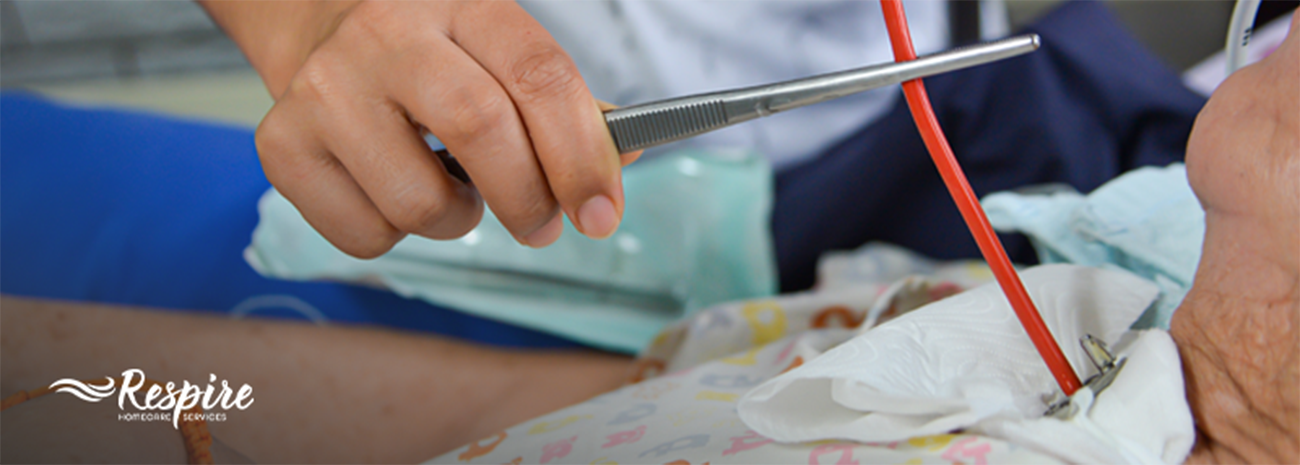
Caring for someone with a tracheostomy can feel like a big responsibility, especially at first. There’s equipment to manage, routines to learn, and moments when you’re watching closely for signs something might be off.
But over time, tracheostomy care becomes less about reacting and more about settling into a steady, workable rhythm that supports comfort and day‑to‑day living. This guide will help you make sure that routine is sustainable and matches best practices.What Is a Tracheostomy?
A tracheostomy is a medical opening created in the front of the neck that allows a person to breathe through a tube placed directly into the windpipe (trachea). This tube helps air reach the lungs when breathing through the nose or mouth isn’t possible or isn’t enough on its own.
Some people need a tracheostomy temporarily while they recover from illness or surgery, while others may rely on it long term due to chronic respiratory conditions or airway challenges. Although it changes how breathing happens, many people are able to live active, comfortable lives with the right care and support in place.
Getting Comfortable with the Basics
Once a tracheostomy is in place, everyday care becomes an important part of maintaining comfort and respiratory health. Because breathing no longer passes through the nose and mouth, the body loses some of its natural filtering, warming, and humidifying processes. This makes consistent, thoughtful care essential to prevent irritation, infection, and breathing discomfort.
At its core, daily tracheostomy care focuses on a few key priorities:
- Keeping the airway clear
- Protecting the skin around the stoma
- Preventing infection
- Supporting comfortable breathing throughout the day
Everyday Tracheostomy Care at Home
Keep routines simple and consistent
Doing trach care at roughly the same times each day helps prevent irritation and makes changes easier to notice. A predictable routine builds confidence, reduces stress, and makes daily care feel more manageable for both caregivers and patients.
Understand and care for the stoma
The stoma is the small opening in the neck where the tracheostomy tube enters the airway. Because this area is always exposed, it requires regular attention to stay clean and healthy. The skin around the stoma should look pink and intact, without excessive redness, swelling, or drainage.
Use a gentle approach to cleaning
Cleaning around the stoma doesn’t need to be aggressive to be effective. Use approved supplies, a light touch, and observe how the skin responds. Redness, swelling, or drainage are signs to slow down and reassess rather than scrub harder. Gentle, consistent care helps protect delicate skin.
Suction only when it’s needed
Suctioning plays an important role in keeping the airway clear, but more isn’t always better. Suctioning too frequently can irritate the airway, while waiting too long may make breathing uncomfortable. With time, caregivers often become more confident in recognizing the cues that suctioning is necessary.
Don’t overlook the importance of humidification
Because a tracheostomy bypasses the nose, moisture and warmth are no longer naturally added to the air. Heat‑moisture exchangers (HMEs) or room humidifiers can help keep secretions thinner, reduce coughing, and improve overall comfort throughout the day.
Pay attention to skin care and tube position
Small adjustments can make a big difference. Check trach ties or straps regularly to ensure they’re secure without being too tight. Watch for redness, pressure points, or irritation, especially after movement or long periods in one position.
Catching skin concerns early helps prevent breakdown and keeps daily care easier and more comfortable.
Learn More About Our Tracheostomy Program Today
Supporting Communication and Daily Activities
A tracheostomy may change how someone speaks, eats, or moves, but it doesn’t mean those activities stop. With the right tools and guidance, many people can continue daily routines in ways that feel safe and comfortable.
- Support communication with speaking valves (when approved by the care team), writing tools, or communication devices
- Follow care team guidance for eating and swallowing, especially if there’s a history of aspiration or coughing during meals
- Secure and manage tubing during movement to help prevent pulling, discomfort, or accidental dislodgement
Knowing When Something Needs Attention
Caregivers are often the first to notice subtle changes. Pay attention to signs that may indicate discomfort or a developing problem, such as:
- Increased effort to breathe or faster breathing than usual
- Changes in skin color, energy level, or alertness
- New, unusual, or louder sounds from the trach (gurgling, whistling, persistent coughing)
- Signs of infection, such as fever, increased redness, swelling, or drainage around the stoma
When something feels “off,” trust what you’re seeing. Acting early can prevent bigger issues later. If symptoms seem urgent or breathing becomes difficult, seek immediate medical help.
This article is general guidance and doesn’t replace medical advice. Always follow your care team’s instructions for your specific tracheostomy setup.
Being Prepared Brings Peace of Mind
Emergencies are easier to manage when you’re ready. Keep these essentials nearby and easy to access:
- A spare tracheostomy tube of the same size and one size smaller
- Suction equipment and backup supplies
- Emergency contact numbers and care instructions
Moving Forward with Confidence
Living well with a tracheostomy is about steady, thoughtful care, not constant worry. When caregivers feel supported and prepared, it shows in the comfort and confidence of the person receiving care.
If you ever have questions about tracheostomy care, equipment, or in‑home respiratory support, Respire Homecare Services is here to help. Our team works alongside caregivers to provide education, guidance, and reliable support so care at home feels manageable, not overwhelming.
Contact Our Team for Trach Support Today
Comments