
Respire Homecare
Updated 10:58 AM CDT, Fri June 5, 2026
Published Under: RespireVent+ Tracheostomy Ventilators
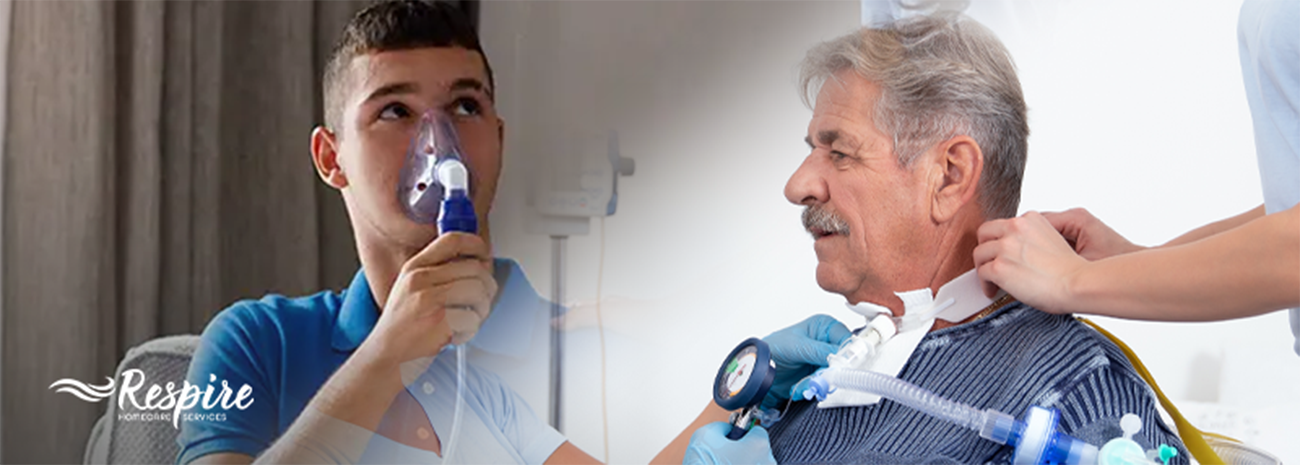
A doctor’s recommendation for ventilator support often comes with unfamiliar terms and difficult decisions. The distinction between non-invasive and invasive ventilation is one of the most important factors in determining what daily care will look like — and what level of support is appropriate.
For patients and care teams, the goal is not simply to choose the least intensive option. It is to select the form of respiratory support that safely meets your body’s needs while fitting into day-to-day life. This guide outlines how each approach works, when it’s typically considered, and what factors help determine the right path forward.
What Ventilator Support Is Designed to Do
Ventilator support helps move air in and out of the lungs when breathing becomes inefficient or difficult. This support may be needed during sleep, throughout the day, or continuously, depending on the underlying condition and its progression.
The key distinction between ventilation types is how air is delivered into the airway:
- Non-invasive ventilation delivers pressurized air through a mask worn over the nose, mouth, or both.
- Invasive ventilation delivers air directly into the airway through a tube, typically a tracheostomy in a home care setting.
This difference affects everything from comfort and communication to safety and long-term care planning.
Learn More About Respire’s Respiratory Services
Non-Invasive Ventilation: When Mask-Based Support Is Appropriate
Non-invasive ventilation (NIV) provides breathing support without placing a tube into the airway. Instead, it uses a sealed interface such as a nasal or full-face mask.
For many patients, non-invasive ventilation is prescribed when a patient is sleeping and as needed.
Conditions Commonly Associated with NIV
NIV is often considered when ventilatory support is needed but the airway remains stable and protected. It is commonly used for:
- Chronic obstructive pulmonary disease (COPD) with respiratory failure
- Neuromuscular conditions that weaken breathing muscles
- Obesity-related hypoventilation or other causes of nighttime breathing impairment
Indicators That NIV May Be a Fit
NIV may be considered when:
- Symptoms appear or worsen during sleep (fatigue, morning headaches, disrupted sleep)
- Breathing effort increases during the day despite current therapies
- Lab or clinical findings suggest the body’s natural ventilation is not sufficient (such as CO₂ retention)
- Hospitalizations or flare-ups are becoming more frequent
Explore Respire’s Non-Invasive Ventilation Options
Situations Where NIV May Not Be Appropriate
There are cases where NIV cannot safely meet a patient’s needs. It is typically not recommended when:
- The airway cannot be reliably protected
- Secretions are difficult to manage without direct airway access
- A safe and effective mask fit cannot be achieved
- The patient cannot tolerate the interface
- Emergency airway control is required
Invasive Ventilation: When Direct Airway Access Becomes Necessary
Invasive ventilation involves delivering breathing support through a tube placed directly into the airway, usually via a tracheostomy for long-term home care.
This approach is typically used when non-invasive methods do not provide enough support or when airway management becomes a primary concern.
Situations Where Invasive Ventilation Is Considered
Invasive ventilation may be recommended when:
- Breathing support is needed for many hours per day or continuously
- Mask-based support cannot deliver effective ventilation
- Secretions require frequent or structured airway clearance
- The condition(s) involve long-term dependence on ventilatory support
What Changes with Tracheostomy-Based Care
A tracheostomy changes how air enters the lungs and introduces new care routines. Because air bypasses the nose and mouth, natural functions like air warming and humidification are no longer present. Consistent humidification becomes necessary to maintain airway comfort.
Daily care typically focuses on:
- Keeping the airway clear
- Protecting the skin around the tracheostomy
- Preventing infection
- Maintaining comfortable, stable breathing
Caregivers are also trained to monitor for changes, respond to ventilator alarms, and manage routine and emergency care tasks.
Related Reading: Living Well With a Tracheostomy
Get Professional Tracheostomy Support
Key Factors That Shape the Decision
Choosing between non-invasive and invasive ventilation involves a combination of clinical assessment and practical planning. Several factors consistently guide the decision.
Ability to Deliver Effective Ventilation
If ventilation goals such as improving oxygen and carbon dioxide levels can be met with a mask, non-invasive support may be preferred. If not, invasive support may be necessary.
Airway Protection and Secretion Management
When airway protection becomes uncertain or secretions increase, a more controlled approach may be required.
Duration of Daily Support
The number of hours per day that ventilation is needed plays a significant role. Patients requiring extended or continuous support often need a more stable airway solution.
Daily Function and Quality of Life
Each option comes with trade-offs related to communication, eating, mobility, and social interaction. The care plan aims to support both safety and participation in daily life.
Caregiver Support and Home Readiness
Successful home ventilation depends on the environment and available support. Planning includes training, equipment setup, and clear guidance for both routine and emergency situations.
Read More: How to Prepare for a Loved One’s Transition to Home Ventilator Care
Preparing for the Transition to Home Ventilator Support
Whether the plan involves non-invasive or invasive ventilation, preparation helps reduce uncertainty and prevent avoidable complications.
Important Questions to Discuss with the Care Team
- What is the primary goal of ventilator support?
- How many hours per day is support expected to be needed?
- What signs would indicate the current approach is working or needs to change?
- What is the plan for airway clearance and managing secretions?
- What level of caregiver involvement will be required?
Elements of a Strong Home Setup
Planning ahead for home care typically includes:
- A designated area for equipment and supplies
- Reliable access to power and backup plans
- A structured care plan with clear routines
- Readily available contact information for support
Explore our RespireVent+ Program
A Steady Approach to Choosing the Right Support
The decision between non-invasive and invasive ventilation care reflects the patient’s current needs, with room for adjustment as conditions change.
When ventilator support is aligned with clinical needs, daily routines, and caregiver capacity, it becomes easier to manage and sustain over time. The focus shifts from reacting to breathing issues to maintaining a steady, workable plan.
Respire Homecare provides access to clinical respiratory services, including ventilator support, caregiver education, and ongoing monitoring to help patients receive care safely at home.
For those exploring ventilator options or preparing for a transition home, connecting with our respiratory care team can provide clarity around next steps and help ensure that the chosen approach is both appropriate and sustainable.
FAQs: Non-Invasive vs. Invasive Ventilator Support
What is the main difference between non-invasive and invasive ventilation?
Non-invasive ventilation delivers airflow through a mask without entering the airway, while invasive ventilation uses a tube placed directly into the airway, typically through a tracheostomy.
Can a patient transition from non-invasive to invasive ventilation?
Yes. If breathing needs increase or NIV is no longer effective or safe, the care team may recommend transitioning to invasive ventilation.
Does invasive ventilation always involve a tracheostomy at home?
In home care, invasive ventilation is commonly delivered through a tracheostomy rather than temporary airway tubes used in hospital settings.
What conditions typically require NIV?
NIV is often used for conditions affecting ventilation, such as COPD with respiratory failure, neuromuscular disease, and obesity-related hypoventilation, depending on clinical assessment.
What factors determine which type of ventilation is recommended?
Key considerations include ventilation needs, airway stability, secretion management, daily support requirements, and caregiver readiness.
What kind of support is available for home ventilator care?
Home respiratory programs typically provide equipment setup, training, monitoring, and access to respiratory therapists to help maintain safe and effective care at home.
Comments