
Respire Homecare
Updated 8:22 AM CDT, Fri July 31, 2026
Published Under: RespireVent+ Tracheostomy
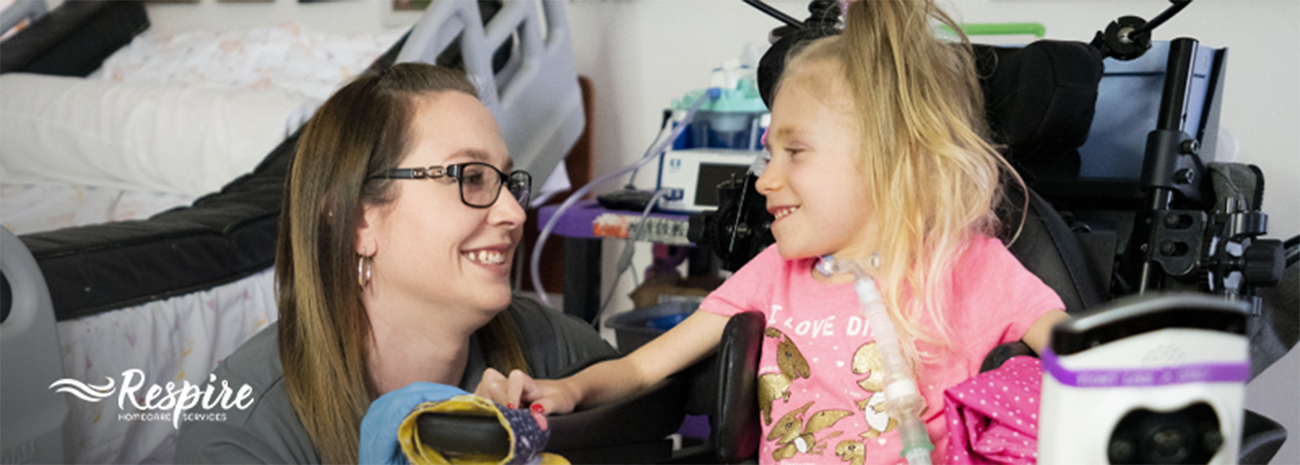
The start of a new school year brings a mix of excitement, anticipation, and questions for many families. For parents of children who depend on a ventilator, tracheostomy, or other forms of respiratory support, those questions often extend beyond school supplies and class schedules.
Who will help if equipment alarms? Where will supplies be stored? How will everyone stay informed about your child's care needs throughout the day?
The good news is that many children with complex respiratory conditions successfully attend school each year. A safe transition starts with preparation, communication, trained support, and clear documentation. When families, healthcare providers, and school personnel work together, children can participate in school activities while receiving the respiratory support they need.
At Respire Homecare, we help families prepare for transitions through equipment support, caregiver education, respiratory therapy services, and ongoing guidance. Whether your child is returning to school with a ventilator for the first time or starting a new grade level, planning ahead can help create a smoother experience for everyone involved.
In This Guide
- Start Planning Before the First Day
- Build a School Respiratory Care Plan
- Prepare Supplies and Backup Equipment
- Coordinate with the School Nurse and Care Team
- Review Emergency Steps and Daily Routines
- Support Your Child Emotionally
- FAQs About School Ventilator and Tracheostomy Care
Can a Child with a Ventilator or Tracheostomy Go to School?
Yes, many children with ventilators or tracheostomies can attend school when the appropriate medical orders, trained support, emergency plans, and equipment are in place.
Every child's situation is unique. School attendance depends on factors such as the child's medical condition, physician recommendations, nursing support requirements, respiratory equipment needs, and the resources available within the school setting.
For a ventilator-dependent child, success often comes from creating a clear support system before classes begin. Families, physicians, respiratory therapists, school nurses, educators, and administrators all play a role in helping maintain safe, consistent care throughout the school day.
The goal is not to recreate a hospital environment within the classroom. Instead, it is to ensure the people responsible for your child's care understand their needs, have access to the necessary resources, and know how to respond appropriately when questions or concerns arise.
Start Planning Before the School Year Begins
Successful school planning for medically complex children often begins weeks before the first day of class. Starting early allows time to coordinate physician orders, review school requirements, clarify responsibilities, and address logistical concerns before routines become rushed.
Consider scheduling conversations with:
- Your child's physician or specialty care team
- Your home health nurse
- The school nurse
- School administrators
- Teachers and classroom staff
- Transportation personnel, if applicable
- Your respiratory care provider
- Care coordinators or case managers involved in your child's care
These discussions may include transportation arrangements, classroom accommodations, supply storage locations, emergency communication procedures, and equipment access throughout the day.
It can also be helpful to review updated medical orders, verify emergency contact information, and discuss any changes in your child's respiratory status or equipment since the previous school year.
When everyone receives the same information and expectations are clearly documented, the school team is better positioned to provide consistent support.
It can also be helpful for school staff to have a laminated handout of emergency contact information, allergies, important medical history, current medications, ventilator settings, trach information, etc. in the classroom along with a copy for the school nurse to have in case of a medical emergency.
What to Include in a School Ventilator or Tracheostomy Care Plan
A school ventilator care plan should outline your child's routine respiratory needs, physician-approved care instructions, emergency guidance, equipment requirements, and key contact information.
A comprehensive school ventilator or trach care plan may include:
- Baseline respiratory status and typical daily functioning
- Physician-prescribed ventilator settings, when applicable
- Oxygen requirements, if prescribed
- Tracheostomy-related care instructions
- Suctioning information as authorized by the healthcare team
- Signs and symptoms that require attention
- Emergency response guidance
- Medication schedules, when relevant
- Backup equipment requirements
- Contact information for caregivers and healthcare providers
- Transportation-related considerations
- Roles and responsibilities of trained personnel
Having a condensed, laminated handout of the relevant information mentioned above in the classroom, in addition to the copy the school nurse has in case of a medical emergency, is helpful to the staff and can create a more efficient emergency response.
The most effective plans are specific to the child and kept current throughout the school year.
All clinical instructions should come directly from the child's physician-approved care plan. Schools and caregivers should avoid relying on verbal instructions alone when written documentation is available.
Supplies and Equipment to Prepare for the School Day
Families should send physician-recommended respiratory supplies, backup equipment, emergency contact information, and any items identified in the child's individualized care plan.
The exact needs vary from child to child, but a school supply checklist may include:
- Suction equipment and related supplies
- Backup tracheostomy supplies
- Ventilator accessories and necessary connections
- Fully charged batteries or charging equipment
- Prescribed oxygen supplies
- Humidification supplies if ordered
- An emergency go bag
- Updated care plan documentation
- Emergency contact information
Many families find it helpful to maintain separate school and home supply inventories when possible. Having designated school supplies can help reduce the risk of forgetting items during a busy morning routine.
As the school year progresses, check expiration dates, battery performance, and supply levels regularly. A quick review each week can prevent unexpected gaps in care.
Always follow the checklist provided by your child's physician and healthcare team when preparing respiratory equipment for school.
Coordinating with the School Nurse, Teachers, and Transportation Team
A child's respiratory care at school often extends far beyond the classroom.
Your child may spend time on the school bus, in the cafeteria, at recess, during physical activities, in specialty classrooms, and on field trips. Consistency across these environments helps reduce confusion and encourages appropriate support throughout the day.
The school nurse often serves as a key point of coordination, but teachers, aides, transportation staff, substitutes, and other designated personnel may also need appropriate training and information.
Important discussions may include:
- Who is trained to support the child
- Situations that require immediate notification
- Equipment handling responsibilities
- Storage and accessibility of supplies
- Procedures for field trips and extracurricular activities
- Communication expectations between home and school
Emergency Planning: What Everyone Should Know
A school emergency care plan should identify warning signs, provide physician-approved response guidance, and outline when to seek additional medical assistance.
While every child's care plan is different, school teams should understand signs that may indicate a change in respiratory status.
Examples may include:
- Increased work of breathing
- Changes in secretions
- Unexpected ventilator alarms
- Changes in oxygen levels
- Changes in skin color
- Sudden fatigue or unusual behavior
- Difficulty communicating discomfort
School personnel should know where emergency documentation is located and who to contact if concerns arise.
Families should ensure that emergency procedures are reviewed before the school year begins and revisited whenever equipment, medical status, or care requirements change.
Specific medical instructions should always come from the child's physician-approved emergency plan. In an emergency, staff should follow established protocols and seek emergency medical assistance when appropriate.
Helping Your Child Feel Included and Supported
Returning to school is about more than equipment and care plans.
Children often have questions about how their classmates will react to a ventilator, tracheostomy, or respiratory equipment. Parents may share similar concerns.
Some families choose to work with teachers and school staff to provide age-appropriate education for classmates. Others prefer a more private approach. The right choice depends on the child's comfort level and family preferences.
It can also help to:
- Encourage your child to participate in discussions about their care when appropriate.
- Practice explaining equipment in simple language.
- Support opportunities for independence that align with physician recommendations.
- Focus on activities and interests that help your child connect with peers.
How Respire Homecare Supports Families During School Transitions
As routines change, families often need support beyond equipment delivery.
Our team works with families, healthcare providers, and caregivers to help ensure respiratory equipment is functioning properly, supplies are available, and caregivers feel prepared for day-to-day management.
Through our pediatric respiratory services, we support medically complex children with specialized respiratory needs. We also provide in-home ventilator services, ongoing respiratory therapy support, caregiver education, equipment coordination, and assistance with tracheostomy care.
Families enrolled in our RespireVent+ program benefit from comprehensive support designed for patients living with ventilator dependence and complex respiratory conditions.
While we do not replace the role of physicians, school personnel, or healthcare facilities, we can help families feel more prepared as they transition between home, school, and other care environments.
A Safer School Routine Starts with Preparation
Preparing for sending your child to school with a ventilator or tracheostomy requires coordination, communication, and ongoing teamwork. The strongest plans bring together families, physicians, school nurses, educators, respiratory therapists, and caregivers around a shared goal: helping the child participate in school safely and confidently.
Review care plans regularly. Update emergency contacts when needed. Make time for check-ins with the school team throughout the year. Small adjustments made early can help keep routines running smoothly as your child's needs evolve.
If you have questions about home respiratory equipment, ventilator support, pediatric respiratory services, or tracheostomy care, we invite you to contact our team or explore our locations to find support near you.
Medical Disclaimer: This article is intended for educational purposes only and does not replace medical advice. Families should always follow their child's physician-approved care plan, school health plan, and clinical recommendations when making decisions related to ventilator or tracheostomy care.
Frequently Asked Questions About School Ventilator and Tracheostomy Care
Can a child with a tracheostomy attend school?
Many children with a tracheostomy attend school successfully when appropriate care plans, trained personnel, emergency procedures, and physician-approved documentation are in place.
What should be in a school ventilator care plan?
A school ventilator care plan typically includes physician orders, respiratory support requirements, emergency guidance, equipment information, warning signs, caregiver contacts, and details about routine daily care.
Who should be trained on my child's respiratory equipment at school?
Training needs vary by school and care plan, but school nurses and other designated staff members who may support the child should receive appropriate education and instruction based on school policies and medical recommendations.
What supplies should go to school with a child who has a trach or ventilator?
Common examples include suction supplies, backup tracheostomy supplies, ventilator accessories, batteries, prescribed oxygen equipment, care plan documentation, and emergency contact information. Always follow your child's individualized supply checklist.
How often should a school respiratory care plan be reviewed?
Plans should be reviewed before each school year and whenever there is a change in the child's medical condition, equipment, physician orders, school placement, or care requirements.
Comments