
Respire Homecare
Updated 8:43 AM CST, Mon February 23, 2026
Published Under: CPAP Therapy Sleep Apnea Sleep Therapy
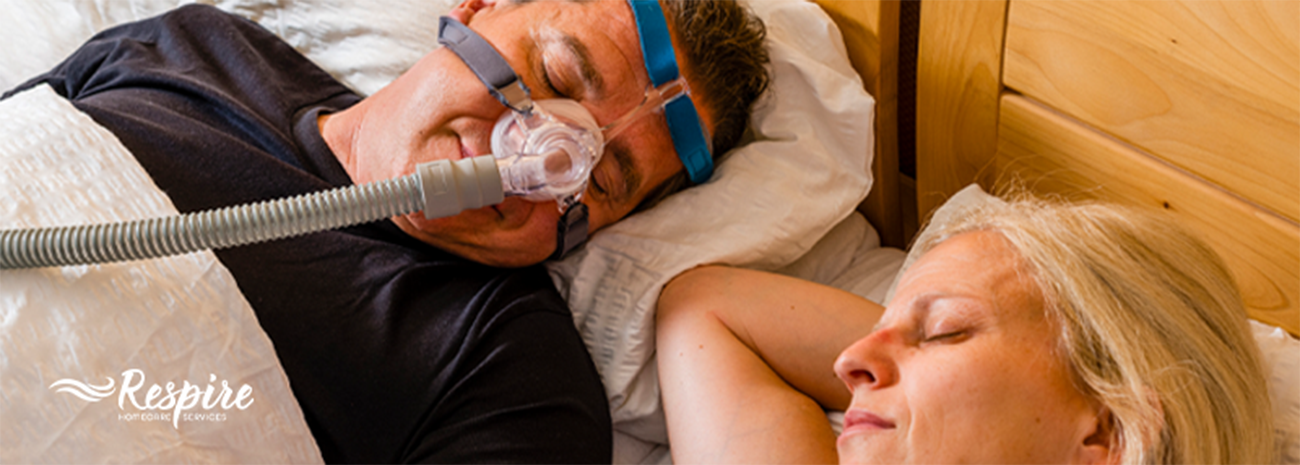
For many couples, sleep is more than just a nightly routine. It’s a shared experience that shapes emotional closeness, communication, and day‑to‑day wellbeing. When sleep apnea enters the picture, both partners feel the impact. Fatigue, mood swings, and nighttime disruptions can slowly chip away at connection, even in the strongest relationships.
But here’s the good news: with the right support and treatment, couples don’t just sleep better — they feel better, communicate more clearly, and strengthen their relationship along the way.At Respire Homecare Services, we know that sleep apnea affects more than breathing; it affects families. You and your partner deserve guidance that supports both your emotional health and your sleep health.
How Sleep Apnea Affects Emotional Well‑Being — For Both Partners
Sleep apnea goes beyond just snoring or restless nights. Its effects ripple into your daily lives in ways couples often don’t realize at first.For the partner with sleep apnea:
- Irritability and mood changes: Fragmented sleep disrupts emotional regulation and increases stress hormones.
- Increased risk of anxiety or depression: Studies show a strong connection between untreated sleep apnea and mental‑health symptoms.
- Low energy and mental fog: Daytime fatigue makes communication, patience, and emotional presence harder.
For the partner without sleep apnea:
- Sleep disruption from snoring or awakenings, leading to frustration or resentment.
- Emotional strain from worrying about a partner’s health.
- Relationship distance if separate bedrooms become a temporary “solution.”
Why Couples Should Approach Sleep Apnea as a Team
When couples work together, treatment feels less overwhelming and more hopeful. Many people aren’t diagnosed until a spouse notices symptoms, so your partnership is already a powerful part of the solution.Working together can help you:
- Identify symptoms sooner
- Support one another during diagnosis
- Stay consistent with CPAP or BiPAP therapy
- Celebrate small progress and improved energy
- Rebuild restful nights and emotional connection
CPAP Therapy and Emotional Health: What Couples Should Know
Consistent treatment with CPAP or BiPAP is one of the most effective ways to improve mood, energy, and long‑term health.What partners can expect:
- Improved sleep quality within weeks of consistent use
- Reduced emotional strain, such as irritability and mental fatigue
- Better communication thanks to clearer thinking and higher energy
- Decreased partner stress as nighttime disruptions improve
- Shared relief knowing treatment is working
Read: Women and Sleep Apnea: Why It’s Underdiagnosed and What to Look For
Practical Ways Couples Can Support CPAP Success
Here are small, meaningful steps couples can take to make therapy smoother and strengthen their emotional bond:- Create a calming sleep environment together: Try white‑noise machines, dim lighting, or small bedroom adjustments to reduce stress and noise.
- Normalize the equipment: Touch, hold, or try on the mask (even briefly) to understand what your partner is experiencing.
- Build a shared nighttime routine: Winding down together — reading, stretching, or simply talking — helps maintain intimacy before the mask goes on.
- Encourage consistency, not perfection: Support each other through tough nights. Celebrate small wins like longer usage or better comfort.
- Talk openly about challenges: Avoid silent frustration. Honest conversations help partners feel heard and supported.
Signs Sleep Apnea Might Be Impacting Your Relationship
Consider whether you or your partner have noticed:
- Increased irritability or emotional distance
- Frequent arguments about snoring or nighttime awakenings
- Avoiding going to bed at the same time
- Feeling disconnected due to separate sleeping arrangements
- Worry or guilt surrounding sleep apnea symptoms
When to Reach Out for Help
If either of you is feeling overwhelmed — emotionally or physically — professional support can make all the difference.You may benefit from reaching out if:
- CPAP therapy feels uncomfortable or hard to adjust to
- Your sleep hasn’t improved despite treatment
- Emotional strain is escalating
- You’re unsure whether your equipment is set correctly
- You suspect undiagnosed sleep apnea
How Respire Homecare Services Supports Couples
At Respire Homecare Services, our team provides more than equipment. We offer emotionally supportive, clinically informed care that helps couples thrive through treatment.We provide:
- Personalized CPAP and BiPAP setup and education
- Mask‑fitting support for comfort and confidence
- Ongoing resupply and maintenance guidance
- Clear, compassionate answers to your questions
- Partnership‑focused care that considers both individuals’ needs
If you or your partner have questions, need equipment guidance, or want help getting started with CPAP or BiPAP therapy, the Respire team is here for you. Reach out today and start your journey toward healthier sleep and a healthier relationship.
Comments