
Respire Homecare
Updated 10:16 AM CDT, Mon May 11, 2026
Published Under: Respiratory Traveling Tips
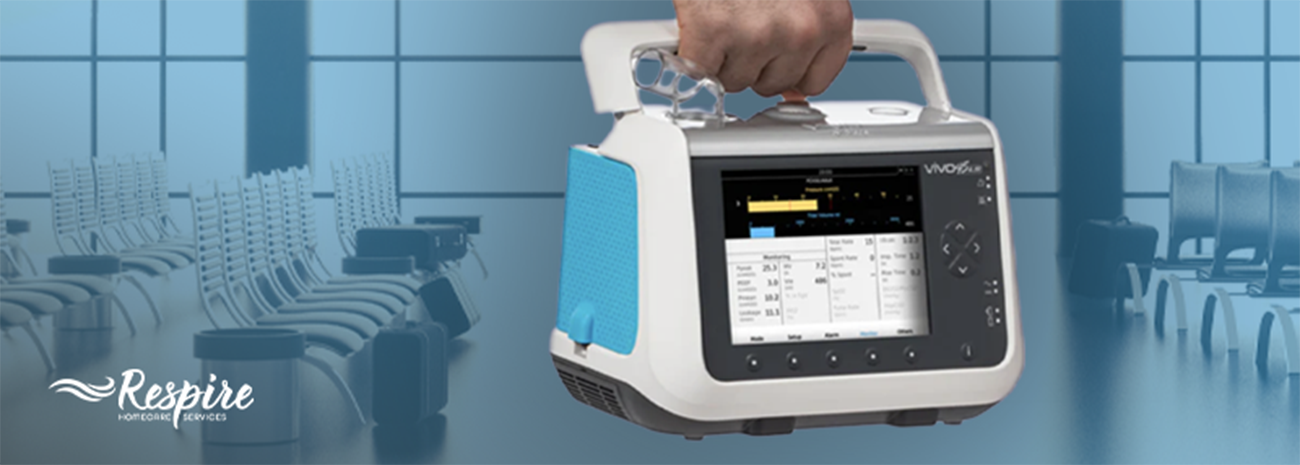
Summer travel often brings a welcome change of pace in the form of family visits, road trips, and spending quality time outdoors. But when you rely on respiratory equipment, getting away from home takes more planning than just tossing some clothes into a suitcase and heading out. Heat, longer travel days, and unfamiliar settings can all affect how your equipment performs — and how comfortable you feel using it.
With a little planning, travel doesn’t have to throw your care off track. It’s less about doing everything perfectly and more about keeping your therapy workable wherever summer takes you.Start with a Realistic Travel Plan
Before booking details are finalized, it helps to think about how travel will affect your daily care routine.
If you use oxygen, CPAP, ventilator, or other respiratory equipment, review your plans with your healthcare provider or respiratory therapist. This is especially important if you’ll be traveling long distances, spending time outdoors in heat, or changing altitude. Even small adjustments like confirming flow settings or battery needs can prevent issues later.
It’s also worth thinking about the pace of your trip. Building in rest time and flexibility can make travel far more comfortable than trying to keep up with a packed itinerary.
Check and Prepare Your Equipment Ahead of Time
The last thing you want when you’re traveling is to discover a worn hose or failing battery. A quick equipment check a week or two before departure can save stress on the road.
Make sure:
- Devices are clean, fully functional, and familiar to use
- Batteries are holding a charge and chargers are working
- Filters, tubing, and masks are in good condition
- You have backups for items that wear out easily
Pack with Purpose, Not Excess
Packing respiratory equipment is all about balance. That is, bringing what you need to have with you without overloading yourself.
A few smart packing practices:
- Keep essential equipment and medications in your carry-on or other easily accessible bag
- Account for the unexpected by bringing extra supplies, especially on longer trips
- Carry copies of prescriptions or care instructions
- Label equipment bags clearly as medical devices when flying
Plan for Power and Climate Changes
Summer travel often means heat, humidity, and unpredictable power access. These factors can affect both comfort and equipment performance.
Think ahead about:
- Where and how you’ll power your equipment
- Whether backup batteries are needed
- Safe storage in hot environments
- Access to distilled water if your equipment requires it
Keep Care Routines Flexible but Consistent
Travel naturally disrupts routines. That doesn’t mean your therapy has to fall apart.
Try to:
- Keep treatment times as consistent as possible
- Adjust schedules slightly rather than skipping care
- Build equipment use into natural breaks in the day
- Allow extra time for setup in new environments
Know Where to Get Help If You Need It
Part of traveling confidently is knowing who to call if something goes wrong. Before you leave, make sure you have contact information for your home care provider and understand what support is available while you’re away.
Having a clear plan, whether it’s troubleshooting guidance or help replacing supplies, can turn a potential disruption into a manageable bump in the road.
Travel with Confidence, Not Caution Fatigue
Needing respiratory equipment doesn’t need to keep you homebound for the summer, but it does require thoughtful preparation. When care is planned, supported, and understood, travel becomes less about managing risks and more about enjoying the time away from home.
At Respire Homecare Services, our focus is on helping patients and caregivers feel prepared, supported, and confident at home and beyond. If you’re planning summer travel and want help reviewing your equipment or care needs, our team is here to support you before the trip begins.
Frequently Asked Questions About Traveling with Respiratory Equipment
Can you travel in the summer if you use respiratory equipment?
Yes. Many people travel safely in the summer while using oxygen, CPAP, ventilators, or other respiratory equipment. The key is planning ahead for heat, power access, and equipment needs so therapy stays consistent while you’re away.
What respiratory equipment can you travel with?
Most commonly, people travel with portable oxygen concentrators, oxygen tanks, CPAP or BiPAP machines, non‑invasive ventilators, nebulizers, and related supplies. Your healthcare provider or home care company can help confirm which equipment is best suited for travel.
Do I need to tell airlines about my respiratory equipment?
Yes. If you’re flying, it’s important to notify the airline ahead of time about any respiratory equipment you’ll be bringing. Airlines have specific policies for medical devices, batteries, and onboard use, and planning ahead helps avoid delays at the airport.
How does heat affect respiratory equipment?
High temperatures and direct sunlight can affect battery life, oxygen flow, and overall equipment performance. Equipment should be stored in a cool, shaded area whenever possible, especially during summer road trips or outdoor activities.
What power options should I plan for when traveling?
You’ll want to plan for access to electrical outlets, car power adapters, and backup batteries. This is especially important for long travel days, outdoor activities, or locations where power availability may be limited or unpredictable.
Should I bring extra supplies when traveling?
Yes. Bringing extra tubing, filters, masks, batteries, and other commonly used supplies can help prevent interruptions if something breaks, wears out, or gets delayed while you’re away from home.
Can altitude or different climates affect my therapy?
Changes in altitude, humidity, and climate can affect how respiratory equipment feels and performs. It’s a good idea to review travel plans with your healthcare provider if you’ll be visiting higher elevations or significantly different environments.
How can I keep my respiratory care routine while traveling?
Try to keep treatment times as consistent as possible and allow extra time for setup in unfamiliar places. Building flexibility into your schedule helps you maintain therapy without feeling rushed or overwhelmed.
What should I do if my equipment stops working while I’m traveling?
Before you leave, make sure you have contact information for your home care provider and understand what support is available while you’re away. Knowing who to call can make equipment issues far less stressful to manage.
Who can help me prepare my respiratory equipment for travel?
Your respiratory therapist or home care provider can help review your equipment, supplies, and power needs before your trip. This support can make traveling with respiratory equipment more comfortable and confident.
Comments